Plaster and Decorative Wall Finishes for Alicante’s Climate
November 7, 2025
Renovating property in Alicante requires a well‑thought‑out approach. The Costa Blanca climate, local building regulations, the specifics of old and new buildings, as well as the characteristics of materials — all of this directly affects the quality and durability of the work. To ensure the renovation is organized and stress‑free, it is important to understand what types of work exist and what nuances should be considered for each.
Below we review the main areas of renovation services popular in Alicante and provide practical recommendations.
Electrical Works: Safety and Compliance with Standards
Electrical installation is one of the most important stages of renovation. In Spain, clear standards apply to line distribution, grounding, and consumer protection.
Key points:
inspection of the current wiring condition;
replacement of worn cables with modern, compliant ones;
installation of protective circuit breakers and division of lines by zones;
thoughtful placement of sockets and lighting;
reinforced protection in bathrooms and terraces due to humidity.
Good electrical work ensures safety, energy efficiency, and trouble‑free operation of appliances. That is why it is essential to entrust this stage to specialists familiar with Spanish regulations.
Why it matters: Old or improperly installed wiring leads to overheating and short circuits. Fixing mistakes after renovation is much more expensive.
Plumbing Works: Water Supply and Durability
Water in Alicante is hard, which accelerates the wear of plumbing and pipes. During renovation, it is important to consider the specifics of local water systems.
Main tasks:
replacing old pipes with modern PEX or similar systems;
installing boilers and quality sanitary equipment;
proper installation of fixtures, bathtubs, and shower areas;
eliminating corrosion and deposits.
Why it matters: Quality plumbing determines water pressure, absence of leaks, daily comfort, and the durability of the entire renovation.
Carpentry and Furniture Making: Adapting to Space
Many apartments in Alicante have non‑standard layouts. Custom furniture allows efficient use of space and creates a comfortable interior.
Carpentry includes:
making kitchens to individual measurements;
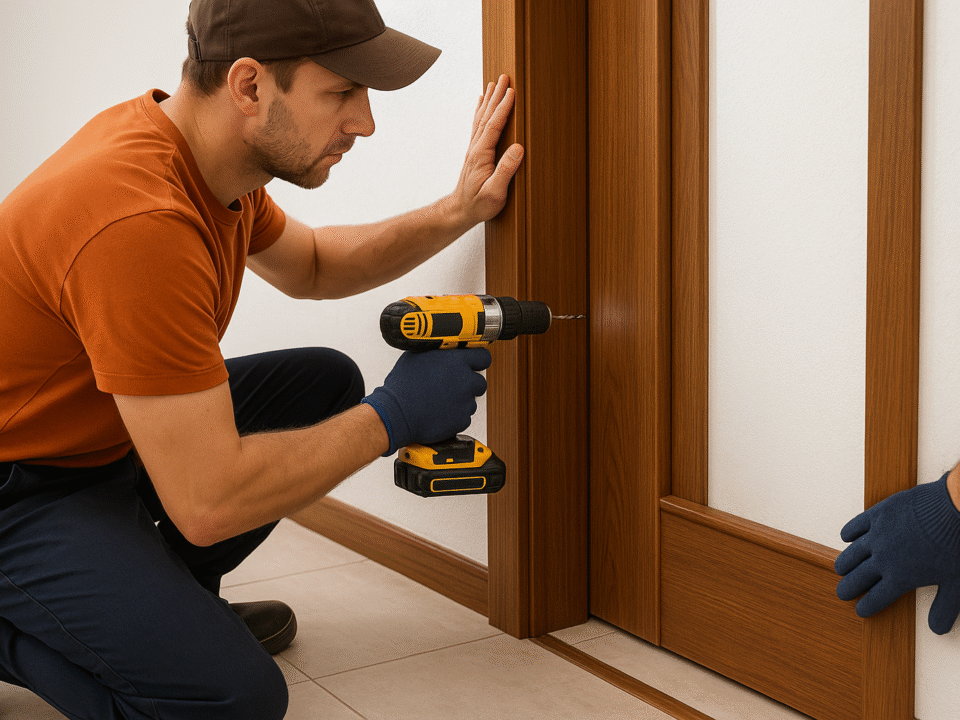
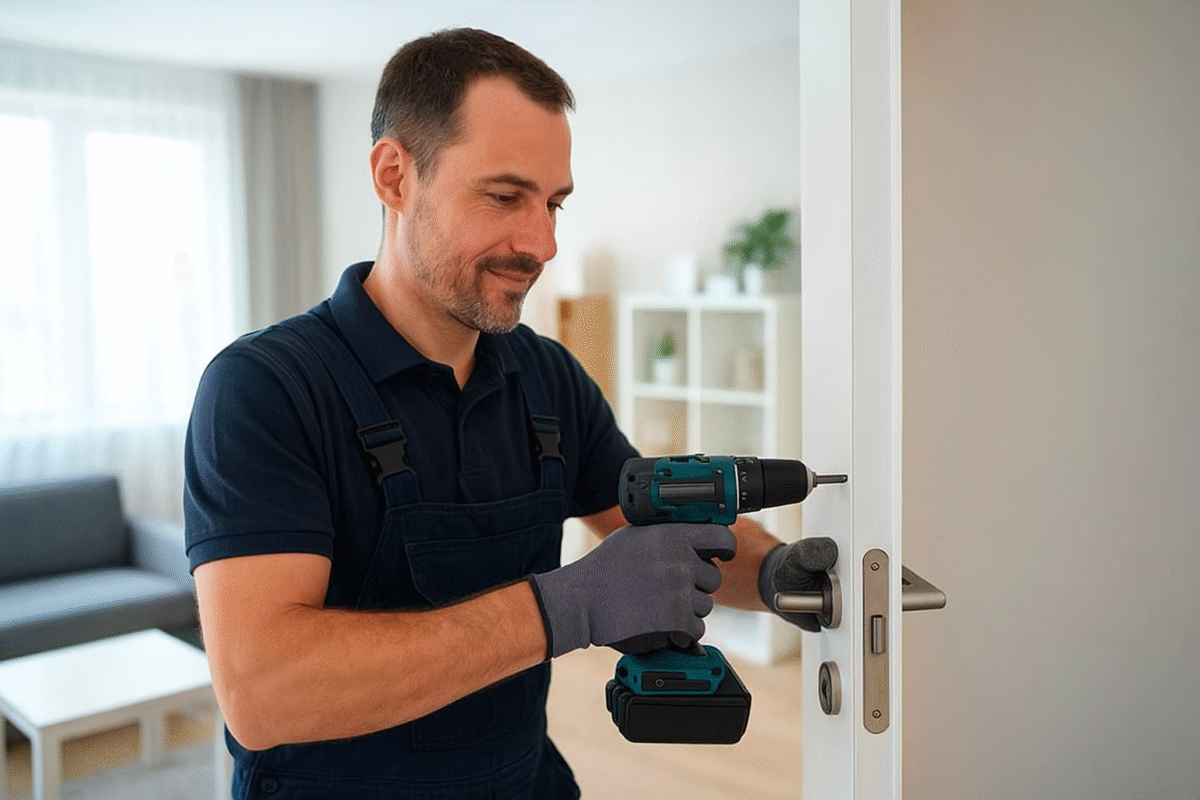
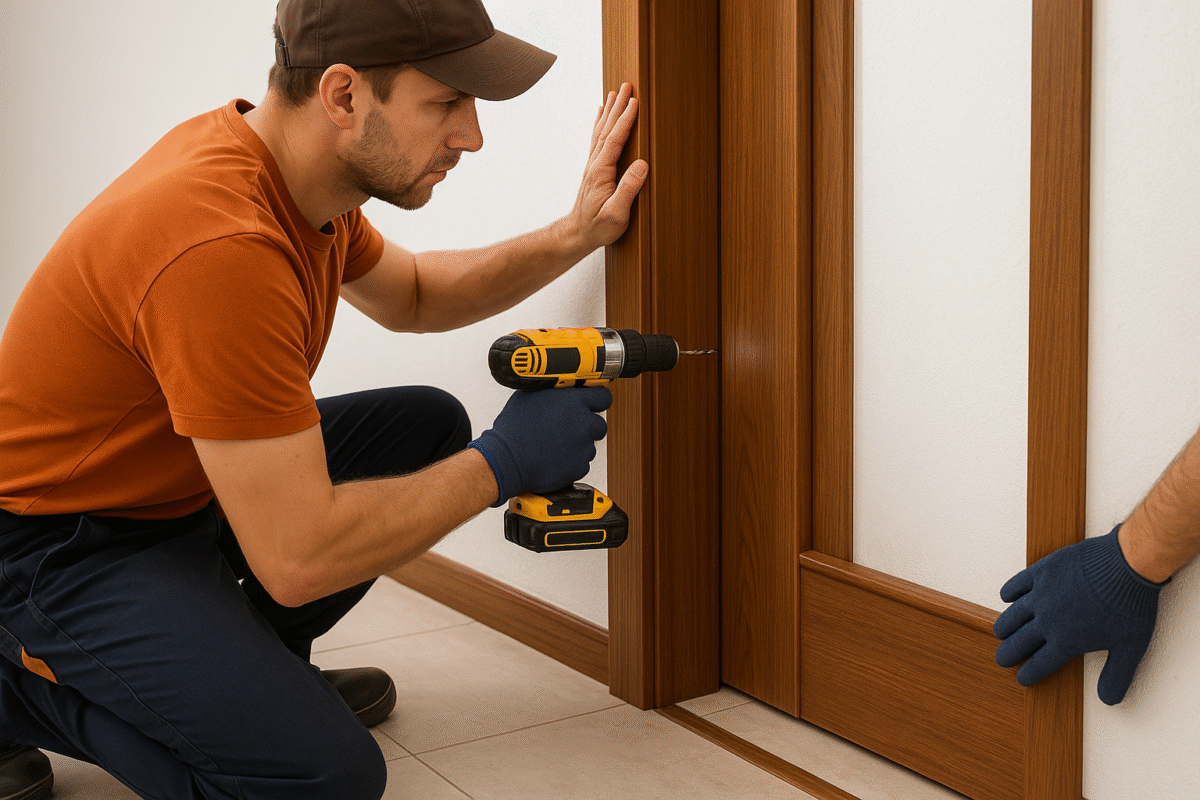
installing interior and entrance doors;
built‑in wardrobes, dressing rooms, niches;
restoration and adjustment of furniture;
decorative wooden elements.
Advantage: Furniture fits the space perfectly, looks cohesive, and significantly increases living comfort.
Tiling Works and Large‑Format Tiles
Spain is a world leader in tile production. In Alicante, tiles are widely used in bathrooms, kitchens, terraces, and living rooms.
Tile work includes:
professional installation of porcelain stoneware;
laying large‑format tiles;
preparing perfectly level surfaces;
precise cutting and fitting;
waterproofing of wet areas.
Why it matters: Large‑format tiles look stylish but require high skill. Mistakes in installation lead to cracks, unevenness, and costly dismantling.
Finishing Works: Appearance and Neatness
Finishing is what everyone sees when entering a home. Even perfect electrical and plumbing work cannot compensate for uneven walls or poor painting.
Finishing usually includes:
leveling walls and ceilings;
painting, including with sun‑resistant materials;
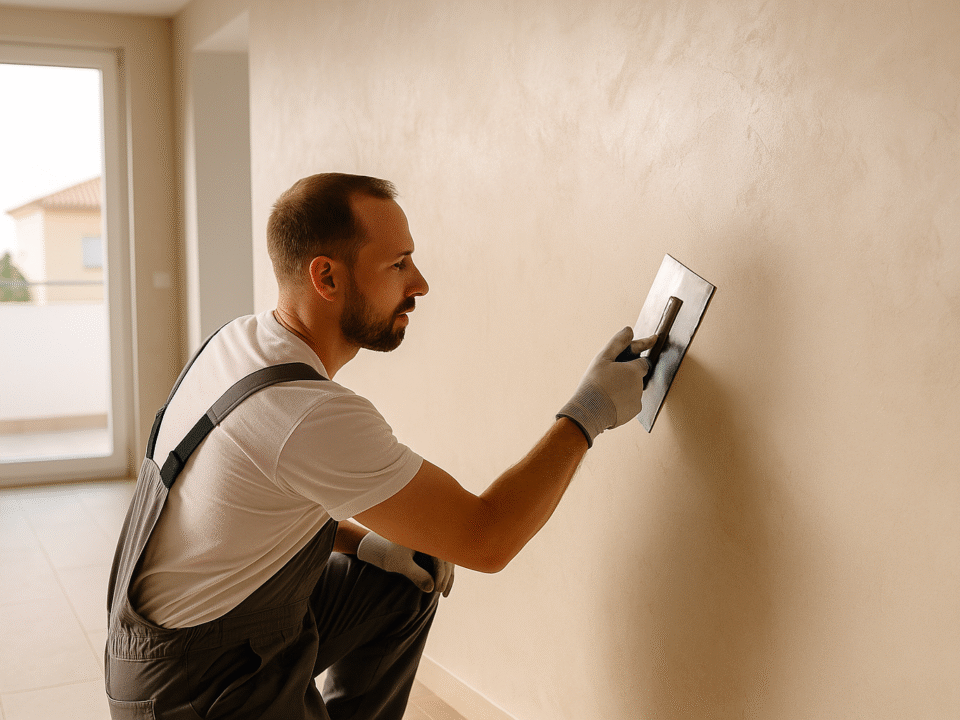
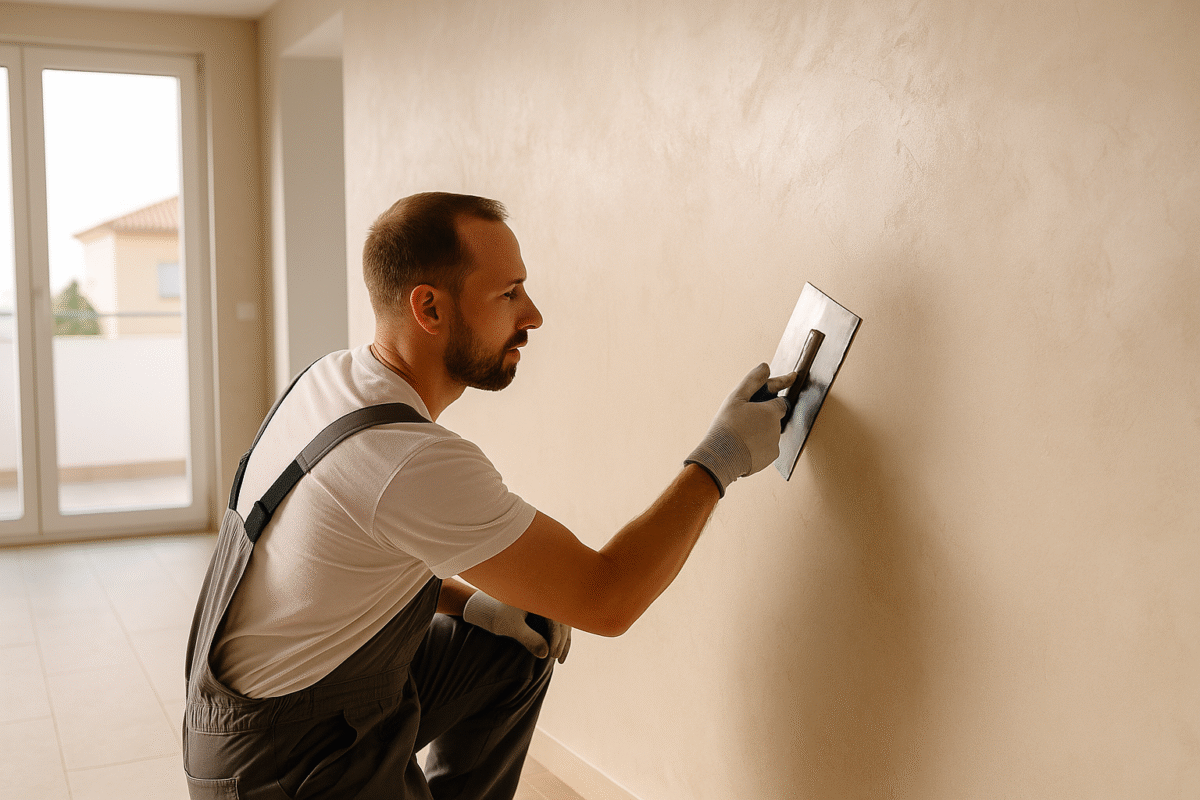
decorative plasters;
installation of decorative panels;
creation of drywall structures: partitions, niches, ceilings.
Important to consider: Alicante has many sunny days, so paints and coatings resistant to fading and humidity must be used.
Flooring and Stair Finishing
Floors must be practical and resistant to temperature and humidity changes.
Popular coverings:
porcelain stoneware;
SPC/vinyl — waterproof and durable;
moisture‑resistant laminate;
engineered wood or natural timber.
Features:
careful preparation of the base;
selection of underlay;
precise installation without unevenness;
choice of stair materials with practical anti‑slip edges.
Why it matters: Properly executed flooring makes the interior cohesive, improves acoustics, and extends the life of the covering.
“Handyman for an Hour” Service: Quick Household Solutions
This service is ideal for those who need small repairs without hiring a full team.
What the handyman does:
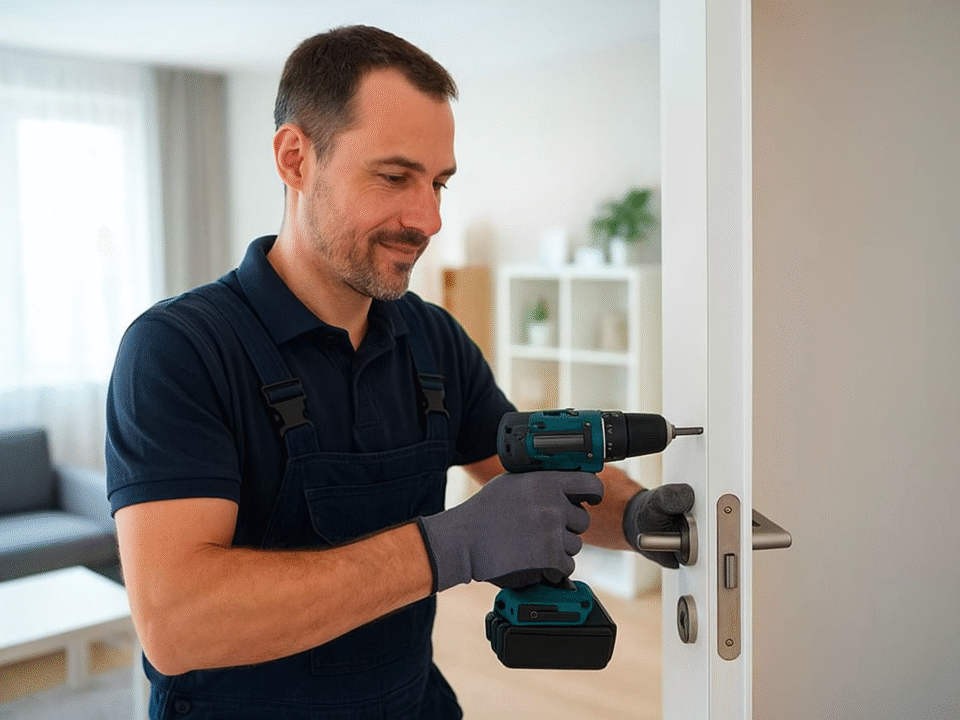
installs shelves, curtain rods, lamps;
fixes minor leaks;
assembles furniture;
replaces faucets, sockets, and switches;
performs small cosmetic repairs.
Advantages: Saves time, eliminates the need to find separate specialists, and allows many tasks to be solved in one visit.
Facade and Demolition Works
Facade works Alicante’s climate — sun, humidity, and sea air — quickly damages exterior finishes. Facade works include repairing cracks, repainting, waterproofing, and, if necessary, insulation. This improves the house’s appearance and prolongs its life.
Demolition works Preparation for renovation: removal of old finishes, plumbing, furniture, partitions. Demolition must be done carefully to avoid damaging load‑bearing structures and utilities, and construction waste must be properly disposed of.
Why It’s Beneficial to Entrust Renovation to One Company
Working with a single team makes the renovation process much simpler and more transparent.
Advantages:
unified responsibility for quality;
no conflicts between workers;
strict adherence to deadlines;
control of all stages;
consistent style and quality of work;
fewer surprises and extra costs.
This is especially relevant for property owners who do not live permanently in Spain and want to control the renovation remotely.
Renovation in Alicante is a serious investment in the comfort and value of your property. By considering the local climate, materials, and building regulations, and entrusting the work to a qualified team, the result will be durable, stylish, and convenient.
A competent approach at every stage — from electrical installation to final finishing — helps avoid mistakes and ensures a perfect home or apartment, ready for living or renting.